
 +91-9811-911-675
 Email Us
June 25, 2026
Beyond the “One-Size-Fits-All” Approach to BRCA and Ovarian Cancer Prevention
For women who test positive for a BRCA1 or BRCA2 pathogenic variant, the shadow of cancer risk can feel all-consuming.


MBBS, MS (ENT), DNB,
MCh (Head and Neck Oncology)


MBBS, DNB (OBGYN),
MCh (Gynecology Oncology)
We provide comprehensive, compassionate, and advanced cancer care with a strong focus on precision and patient comfort. Our approach emphasizes early diagnosis, precision-guided and personalized treatment, and continuous support at every stage of care. We are committed to helping patients and their families feel informed, confident, and supported while achieving the best possible outcomes.

Trusted Cancer Care with a Holistic, Precise, and Compassionate Approach

MBBS, MS (ENT), DNB,
MCh (Head and Neck Oncology)

MBBS, DNB ( OBGYN),
MCh (Gynecology Oncology)
We Provide Advanced, Personalized Cancer Treatment with a Holistic Approach
and Precision-guided Care to Achieve the Best Possible Outcomes.

Ovarian cancer begins in the ovaries, which are responsible for producing eggs and female hormones. It occurs when abnormal cells ...

The uterus, also known as the womb, is the organ where a baby grows during pregnancy. Uterine cancer most commonly develops ...

Cervical cancer is one of the most common cancers affecting women in India, especially in women aged 30–50 years and after ...

A hysterectomy is a surgical procedure to remove the uterus and can be safely performed using minimally...

Robotic surgery in gynecologic oncology is an advanced, minimally invasive technique used to treat cancers of the female reproductive system ...


Oral cancer, also known as mouth cancer, is a common form of head and neck cancer that develops in the tissues of the oral cavity ...

Tongue cancer is a common type of oral and head & neck cancer that develops in the cells of the tongue. It most often arises from ...

Throat cancer, medically referred to as pharyngeal cancer, affects the tissues of the pharynx, which connects the nose and mouth ...

Nasal and sinus cancers are rare head and neck cancers that develop in the nasal cavity or the paranasal sinuses surrounding the nose ...

Salivary gland tumors are uncommon head and neck conditions that develop in the glands responsible for saliva production ...
Begin Your Journey Towards Better Health
Head and neck cancer refers to cancers that develop in the mouth, throat, voice box (larynx), nose, sinuses, salivary glands, or neck lymph nodes.
Common symptoms include a mouth ulcer that does not heal, persistent throat pain, difficulty swallowing, voice changes, neck swelling, or unexplained weight loss.
Major risk factors include tobacco use (smoking or chewing), alcohol consumption, HPV infection, poor oral hygiene, and prolonged exposure to harmful chemicals.
Treatment depends on the stage and location of the cancer and may include surgery, radiation therapy, chemotherapy, or a combination of these approaches.
Yes, early-stage head and neck cancers have high cure rates when diagnosed early and treated appropriately by a specialist.
Begin Your Journey Towards Better Health
Gynecological cancers are cancers that start in a woman’s reproductive organs. These include cancer of the cervix, ovary, uterus (endometrium), vagina, and vulva.
The most common types are cervical cancer, ovarian cancer, and uterine (endometrial) cancer. Vulvar and vaginal cancers are less common.
Symptoms may include abnormal vaginal bleeding, pelvic pain, bloating, pain during intercourse, unusual vaginal discharge, or changes in menstrual cycles. Early symptoms can be mild, so regular check-ups are important.
Yes, many gynecological cancers are highly treatable and curable, especially when detected early. Timely diagnosis greatly improves treatment success.
Risk factors include HPV infection, family history, obesity, hormonal imbalance, smoking, increasing age, and lifestyle factors. Sometimes, cancer can occur without any clear cause.
Stay informed with expert insights on cancer prevention, diagnosis, and treatment. Our blog helps patients and families make confident, informed healthcare decisions.
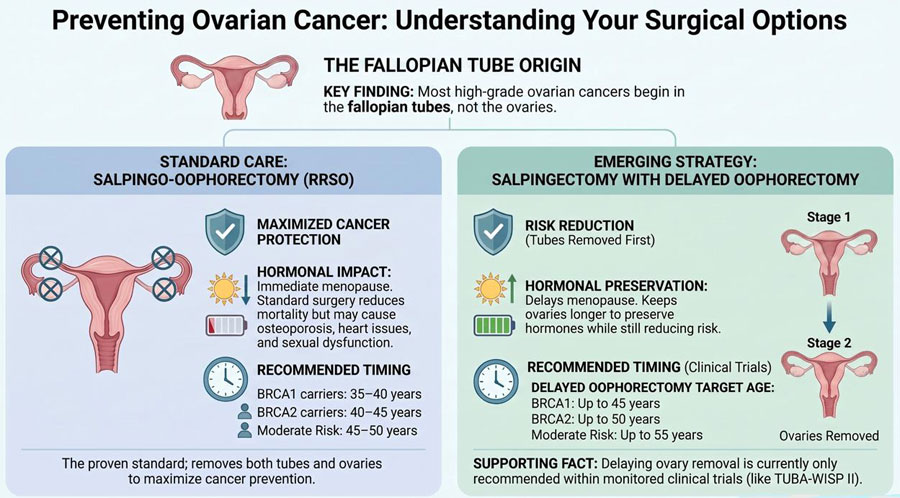
For women who test positive for a BRCA1 or BRCA2 pathogenic variant, the shadow of cancer risk can feel all-consuming.

Priya was just 42 when she received the diagnosis every woman dreads: high-grade serous ovarian…

A painless ulcer in the mouth or a patch that doesn’t go away can be…
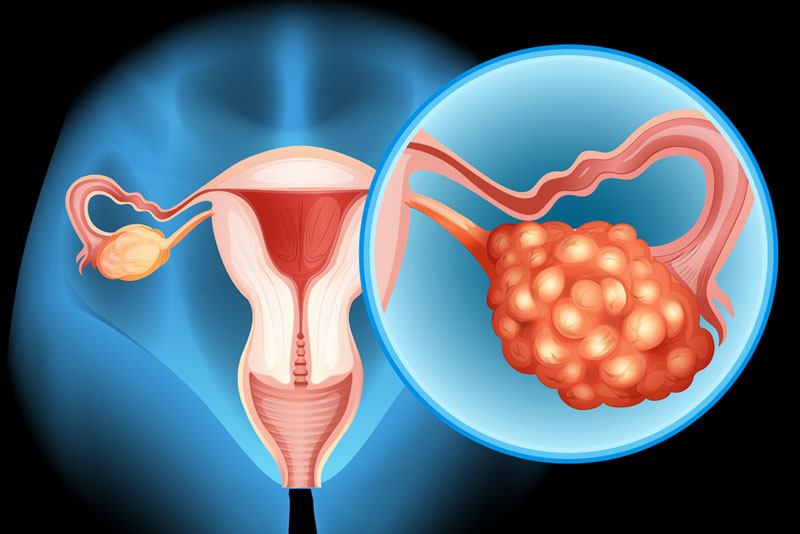
Ovarian cancer is one of the more serious cancers affecting women and is often detected…